
When I first planned my Mahurgad pilgrimage, my only goal was to seek the blessings of Renuka Mata. Like many visitors, I assumed that was the only temple worth visiting. But after speaking with local devotees, I learned about Anasuya Mata Temple, a peaceful shrine located on another hill in Mahur.
Looking back, visiting this temple became one of the most meaningful parts of my journey.
If you’re planning a Mahurgad trip in 2026, don’t make the same mistake I almost did. In this guide, I’ll share my experience, practical travel tips, and a few lesser-known facts that made my visit memorable.

Why I Decided to Visit Anasuya Mata Temple
After completing my darshan at Renuka Mata Temple, several locals suggested that I continue my pilgrimage to Anasuya Mata Temple and the nearby Dattatreya Temple.
I was curious.
The road was peaceful, surrounded by greenery and hills. As I approached the temple, the crowds became smaller, the atmosphere quieter, and the entire place felt incredibly calm.
I immediately understood why many devotees consider this one of Mahurgad’s most peaceful spiritual destinations.
Who Was Anasuya Mata?
According to Hindu tradition, Mata Anasuya was the wife of Sage Atri and the mother of Lord Dattatreya. She is remembered for her unwavering devotion, purity, humility, and spiritual strength. Hindu scriptures describe her as an ideal of selfless service and virtue, and Mahur is closely associated with the birth and worship of Lord Dattatreya.
For devotees visiting Mahurgad, Anasuya Mata Temple represents:
- Family harmony
- Motherly blessings
- Spiritual purity
- Inner peace
- Devotion without ego
My First Impression of the Temple
The first thing I noticed was the silence.
Unlike many busy pilgrimage centers, this temple offers a peaceful environment where visitors can spend time in prayer without feeling rushed.
Some highlights I personally enjoyed:
- Beautiful hilltop surroundings
- Fresh mountain air
- Peaceful atmosphere
- Clean temple premises
- Scenic viewpoints perfect for photography
- Calm environment ideal for meditation
I spent nearly an hour here simply enjoying the surroundings.
Temple History
Mahur is one of Maharashtra’s most sacred pilgrimage destinations and is especially known for the Renuka Devi Shakti Peeth. The Anasuya Mata Temple stands on a nearby hill and is traditionally associated with Mata Anasuya, the mother of Lord Dattatreya. Pilgrims often visit the Renuka Devi Temple, Anasuya Mata Temple, and Dattatreya Temple together as part of a complete Mahur pilgrimage.
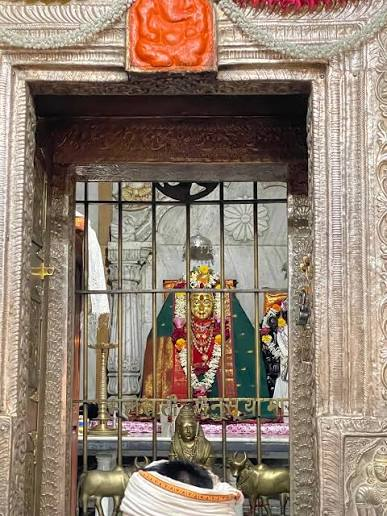
How to Reach Anasuya Mata Temple
| Starting Point | Approximate Distance |
|---|---|
| Mahur Bus Stand | Around 8 km |
| Renuka Mata Temple | Short drive |
| Nanded | Around 130 km |
| Kinwat Railway Station | Around 50 km |
The roads are generally good, but the final stretch includes hilly sections. Drive carefully, especially during the monsoon.
Best Time to Visit (My Experience)
I visited during the early morning hours.
This turned out to be the best decision because:
- The weather was pleasant.
- The temple was peaceful.
- Photography looked amazing.
- Parking was easy.
- Darshan was comfortable.
Best Months
- July to September (lush greenery)
- October to February (pleasant weather)
- Navratri (spiritually vibrant but crowded)
Pro Tip (2026)
Start your Mahurgad pilgrimage before 7:30 AM.
You’ll enjoy cooler weather, lighter traffic, easier parking, and enough time to comfortably visit Renuka Mata Temple, Anasuya Mata Temple, and Dattatreya Temple in a single day.
My Suggested Darshan Order
During my visit, I followed this sequence:
- Renuka Mata Temple
- Anasuya Mata Temple
- Dattatreya Temple
- Nearby viewpoints
- Local food stalls
This route helped me avoid unnecessary backtracking.
Facilities Available
During my visit, I found:
- Parking
- Drinking water
- Local shops
- Prasad stalls
- Resting areas
- Scenic viewpoints
Basic facilities are available, but carrying your own water bottle is still a good idea.
Comparison: Renuka Mata Temple vs Anasuya Mata Temple
| Feature | Renuka Mata Temple | Anasuya Mata Temple |
|---|---|---|
| Crowd | Very High | Moderate |
| Spiritual Atmosphere | Vibrant | Peaceful |
| Photography | Good | Excellent |
| Time Needed | 1–2 Hours | 30–60 Minutes |
| Ideal For | Main Pilgrimage | Meditation & Reflection |
I found both temples equally meaningful, but Anasuya Mata Temple offered a quieter experience.
Pro Tip (2026)
If you’re visiting during weekends or festivals:
- Reach before sunrise if possible.
- Carry cash for small purchases.
- Wear comfortable footwear suitable for hill terrain.
- Bring a raincoat or umbrella during the monsoon.
- Keep your phone charged for navigation and photos.
Nearby Places Worth Visiting
If you’re already in Mahurgad, I recommend exploring:
- Renuka Mata Temple
- Dattatreya Temple
- Mahur Fort
- Local viewpoints
- Ancient temple surroundings
These places can comfortably be covered in a single day with an early start.
What I Learned From This Visit
What stayed with me wasn’t just the temple itself—it was the peaceful atmosphere.
Sometimes, the less crowded places leave the deepest impression.
While Renuka Mata Temple is the heart of Mahurgad, Anasuya Mata Temple offers a chance to slow down, reflect, and experience a different side of the pilgrimage.
For me, it became the most calming stop of the entire journey.
Final Checklist Before You Visit
Use this checklist for a smooth trip:
✔ Start early in the morning
✔ Visit Renuka Mata Temple first
✔ Continue to Anasuya Mata Temple
✔ Visit Dattatreya Temple afterward
✔ Carry drinking water
✔ Wear comfortable walking shoes
✔ Keep cash for local shops
✔ Respect temple customs
✔ Avoid littering
✔ Spend a few quiet minutes in prayer
Final Thoughts
If you’re planning a Mahurgad pilgrimage in 2026, I strongly recommend including Anasuya Mata Temple in your itinerary. The peaceful surroundings, spiritual importance, and connection to Lord Dattatreya make it much more than just another stop on the route.
My visit reminded me that some of the most memorable moments of a pilgrimage happen away from the biggest crowds. Taking the time to visit this serene hilltop temple added balance, reflection, and a deeper sense of devotion to my Mahur journey—and it’s an experience I would gladly repeat.